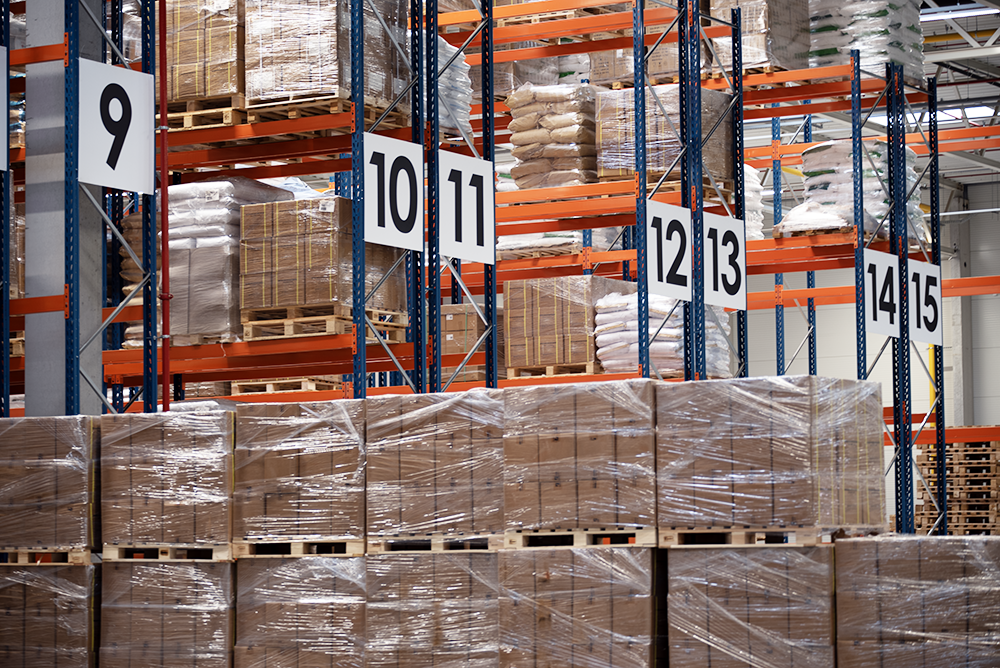
Goods Warehousing – Definition and Importance in Logistics
Goods warehousing is one of the most important elements of logistics and product flow management within an enterprise. Simply put, goods warehousing encompasses all activities related to the receipt, storage, preservation, and issuance of products in a properly prepared space. This process is a crucial element of the supply chain, as it allows for the continuity of production, sales, and distribution of goods.
In practice, warehousing is much more than just product storage. It is a complex system of logistics operations, in which individual operations are closely linked to transport, quality control, and inventory management. A properly organized warehousing process allows companies to quickly respond to market needs and maintain stable inventory levels.
The Role of Warehousing in the Modern Supply Chain
Modern businesses – especially manufacturing and retail companies – require efficient logistics systems. Goods warehousing plays a key role here, enabling the synchronization of deliveries, production, and sales.
In many industries, a warehouse serves as a place where products from different manufacturers arrive at a single point and are then prepared for further distribution. A properly designed warehouse system also allows for the optimization of warehouse processes, which translates into savings in time, space, and operating costs.
Warehouse Types and Their Applications
Logistics distinguishes various types of warehouses, each tailored to the specific needs of a company. These include:
- delivery warehouses,
- production warehouses,
- distribution centers,
- transshipment warehouses.
In terms of structure, single- or multi-bay buildings are also available, as well as open warehouses such as storage yards or warehouse shelters. The choice of the appropriate solution depends on the companys needs, the type of products, and the available infrastructure.
Goods Storage Systems
Warehouses use various methods of storing goods, depending on the type of products, their size, and turnover. The most popular include:
- row storage,
- block storage,
- flow-through storage,
- angle storage,
- bag storage.
Many warehouses also use various types of racking, including traditional warehouse racking, pallet racking, and flow systems. The appropriate racking design influences occupational safety and the efficient use of warehouse space.
Warehouse Space Organization
Warehouse efficiency largely depends on the proper organization of warehouse space. Properly locating zones and adapting them to the specific nature of the products being stored is crucial.
- Warehouses include:
- storage zones,
- receiving zones,
- picking zones,
- goods issuing areas.
A well-planned warehouse ensures the proper arrangement of workstations and the efficient flow of materials.
Warehouse Equipment and Transport Means
Efficient warehouse operation would be impossible without the right equipment. Internal transport uses include:
- forklifts,
- lift trucks,
- warehouse tractors,
- conveyors, and conveyor lines.
Modern facilities are increasingly using powered and automated systems, which significantly accelerate the flow of goods and reduce manual labor.
Warehouse Management Systems
Modern warehouses utilize advanced IT technologies. Warehouse management systems enable the control of goods flow and the integration of all logistics operations.
Using warehouse systems and dedicated IT systems allows for:
- monitoring inventory levels,
- conducting demand analysis,
- controlling the location of products in the warehouse,
- streamlining individual logistics operations.
These technologies also support the optimization of warehouse processes and increase the transparency of the entire logistics system.
Appropriate Storage Conditions
Safe storage of goods requires ensuring appropriate technical and environmental conditions. The following are particularly important:
- air temperature and humidity,
- fire protection,
- adequate ventilation,
- proper labeling and spatial organization.
Ensuring appropriate storage conditions is particularly important for sensitive products such as food, chemicals, and electronic components.
Main Phases of the Warehouse Process
Every warehousing process involves several basic steps. The main phases are:
- Receiving goods into the warehouse
- Storing goods in appropriate areas
- Order picking and preparation for shipment
- Release of goods for transport or sale
At the very first stage, goods are transferred to the receiving area, where quality and quantity inspections are performed. This is the beginning of the warehousing process and ensures that the delivered materials meet the companys requirements.
Receiving goods and quality control
Receiving goods is the first and most important step in warehouse operations. This part of the process involves checking delivery documents, as well as the consistency of product quantity and quality.
During receiving, activities such as:
- sorting products,
- labeling batches,
- verifying compliance with documentation,
- and entering data into IT systems.
This allows the company to continuously monitor inventory levels and plan further logistics activities.
Storage Zones and Space Organization
One of the most important elements of warehouse operation is storage zones, which are responsible for the safe storage of goods and the efficient use of available storage space. Their proper design streamlines the entire storage process, shortens internal transport times, and improves warehouse workflow.
Storage zones encompass more than just various types of warehouse racks used to store products. They also include equipment transport routes, buffer areas, storage areas, and space for material handling equipment such as forklifts, lift trucks, and warehouse tractors. Properly positioning zones allows for the smooth flow of products between the receiving area, the goods storage area, and the goods issuing area.
Storage height is also a key element of warehouse organization. Depending on the facilitys design and the storage systems used, warehouses are classified as low-bay, medium-bay, and high-bay. Various methods of organizing goods are used in these spaces, including: Row storage, block storage, or a flow-through system allow for tailoring storage to the type of product and available storage space.
In many warehouses, its also crucial to designate zones with specific environmental parameters. Products may require different temperatures or humidity levels, so special zones are created to ensure optimal storage conditions. This is particularly true for food, chemicals, electronic components, and products sensitive to climate change. Ensuring appropriate technical conditions and proper ventilation allows for maintaining appropriate conditions for goods and prevents damage.
Proper storage zone planning is crucial for the efficiency of the entire warehouse. It not only allows for better utilization of available space but also streamlines individual logistics operations and supports the optimization of warehouse processes within the company.
Order Picking and Shipment Preparation
Another important stage of warehouse operation is order picking. This process involves collecting the appropriate products from various storage locations and preparing them for shipment.
In practice, picking includes:
- selecting appropriate products,
- packing and securing goods,
- labeling shipments,
- preparing orders for transport.
Efficient organization of this process allows for shorter order fulfillment times and increased efficiency in goods distribution.
Goods Release and Distribution
The final stage of warehouse operation is the release of goods for transport. Products are sent to the shipping area, where they are prepared for delivery to transport companies or directly to customers.
In many facilities, the receiving and issuing areas are located on the same side of the building, while in other warehouses, they are on opposite sides of the building, enabling the use of so-called linear flow. In such cases, goods are received and moved through subsequent warehouse areas until they reach the issuing area, ready for transport.
Basic Principles of Efficient Storage
For goods to be stored effectively, basic principles of warehouse organization must be followed. The most important include:
- appropriate warehouse space planning,
- proper zone layout,
- use of modern technologies,
and
- constant quality and inventory control.
A well-organized warehouse allows not only for the safe storage of products but also for the efficient handling of deliveries and shipments.